Mold inspection and removal, water damage drying
Mold remediation in Culver City
A closet that smells musty, or spots that came back after cleaning? We find the water feeding them, then take the growth out behind plastic.
There’s no charge for the inspection. You keep the map and our findings, whoever does the work.
Water coming in now?A crew can be there within the hour, day or night.Call (310) 857-2520Mold remediation in Culver City starts with the water behind the growth. Until that’s fixed, cleaning the wall only buys time, so we inspect first, at no charge, and plan the removal from the map.
What mold remediation includes
Each mold removal job is set up this way:
- Plastic sheeting around the work area with a zippered door, and an air scrubber running the air through a HEPA filter
- Drywall and insulation the mold grew into, usually taken out, while tile and framing can usually stay once cleaned
- Drying for the framing that stays, until its readings match a wall that never got wet
- Air samples from inside the work area and from outdoors, compared by a lab, with the plastic left up until the result passes
- Regrowth on the treated area covered for a year after it passes, as long as the water stays stopped
Finding the water first
A mold inspection starts where you first noticed it. The meter and the thermal camera then read the walls around it, and the numbers lead back to where the water gets in. It may be a shower pan that leaks a little with every shower, or a hidden leak inside a wall. Your plumber or roofer fixes the source, on their own bill, and removal starts after that.
No wall gets opened until you’ve seen the map.
Your scope is drawn from the map, so every price on it points to a place in your house.
Water damage restoration in Culver City
If a pipe just burst or a ceiling is dripping now, that’s a drying job, so call or text instead of booking. Extraction comes first. Each wet wall is then read against a dry one, and the drying runs until the two numbers match. Water damage restoration, step by step.
From inspection to clearance
- Book online or call, and tell us what you’ve noticed and where.
- We start at that spot and read outward, against a wall that has stayed dry.
- The source goes on your map, and before we leave you hear whether there’s work to do.
- If there’s growth to take out, the written scope lists each zone on the map. Nothing starts until you sign it.
- Rebuilding the walls is a separate scope, written once the area passes.
Where growth starts in Culver City homes
In a Fox Hills condo, the water behind a stain may come from next door or upstairs. Your unit gets read first. If the numbers point at a shared wall or ceiling, the map shows the HOA where.
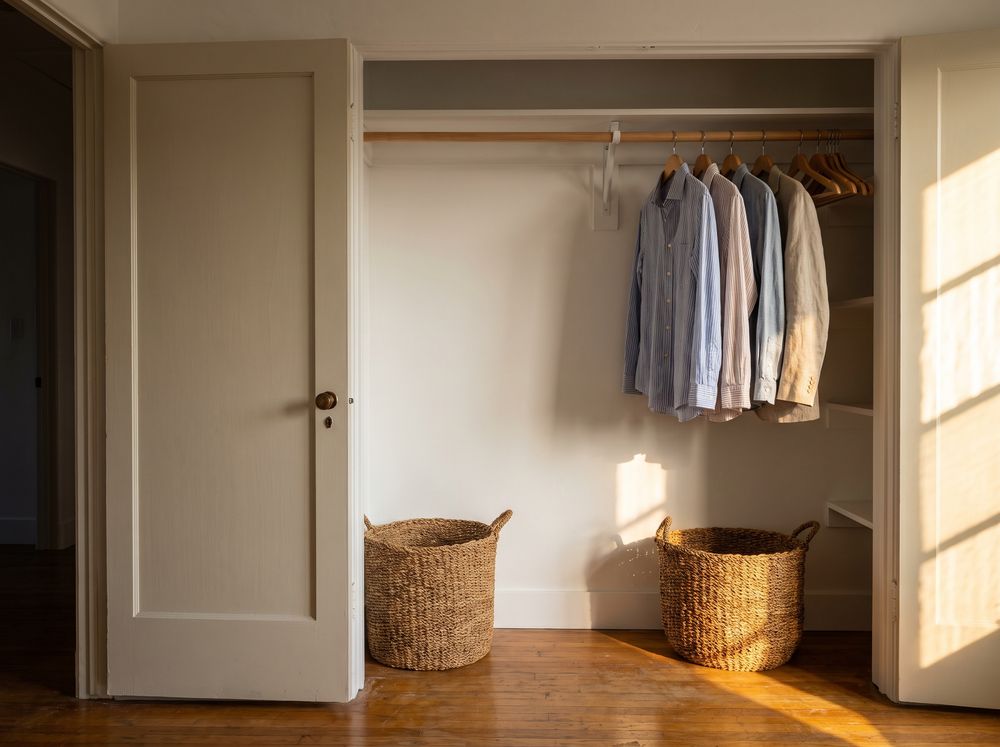
In a house up in Blair Hills or elsewhere in town, growth often starts in a closet that backs onto a bathroom. A slow leak at the shower or the toilet keeps that wall damp, with nothing showing on the bathroom side.
Before you book mold remediation
Should I get a mold test first?
Usually not. The readings and a look at the growth answer most questions. When a sample would settle something, you hear why and its cost first. Clearance at the end is always a lab test.
I rent. Can I book the inspection myself?
Yes, and there’s no charge for it. Name your landlord when you book, and they get the same map, with the wet wall and the source of the water marked.
Can we stay home while the mold comes out?
Usually. The plastic keeps the work to one area, and you use the rest of the house. If the only bathroom is inside it, the days are arranged around you.
Seen it or smelled it? Got a note from an inspector? Book an inspection.
Mold questions answered the same working day. After 5pm, first thing next morning.